Does Laser Hair Removal Work on Indian Skin? Safety, Results & What to Know
Introduction
One of the most common questions Indian women ask is:
“Is laser hair removal safe for Indian skin?”
Because Indian skin has higher melanin content, there is often fear around:
burns
pigmentation
uneven results
The good news?
👉 Yes, laser hair removal works very well on Indian skin — when the correct laser and settings are used.
This guide explains everything you need to know before starting treatment.
Why Indian Skin Is Different
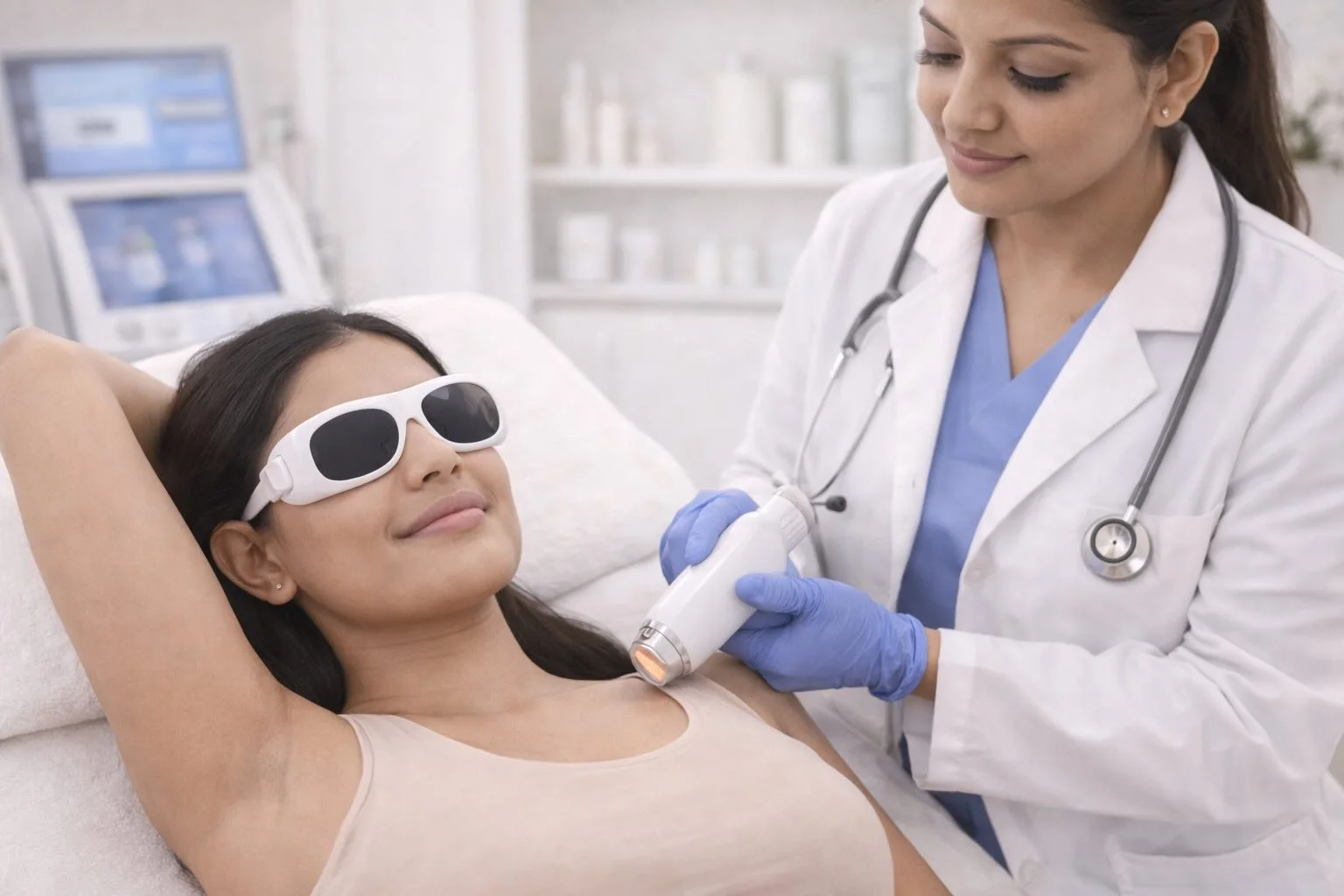
Indian skin usually falls under Fitzpatrick Type III–V.
That means:
Higher melanin levels
Tans easily
More prone to pigmentation
Because laser works by targeting melanin, using the wrong laser can affect the skin instead of just the hair.
That’s why technology selection is critical.
Which Laser Is Safe for Indian Skin?
Not all lasers are equal.
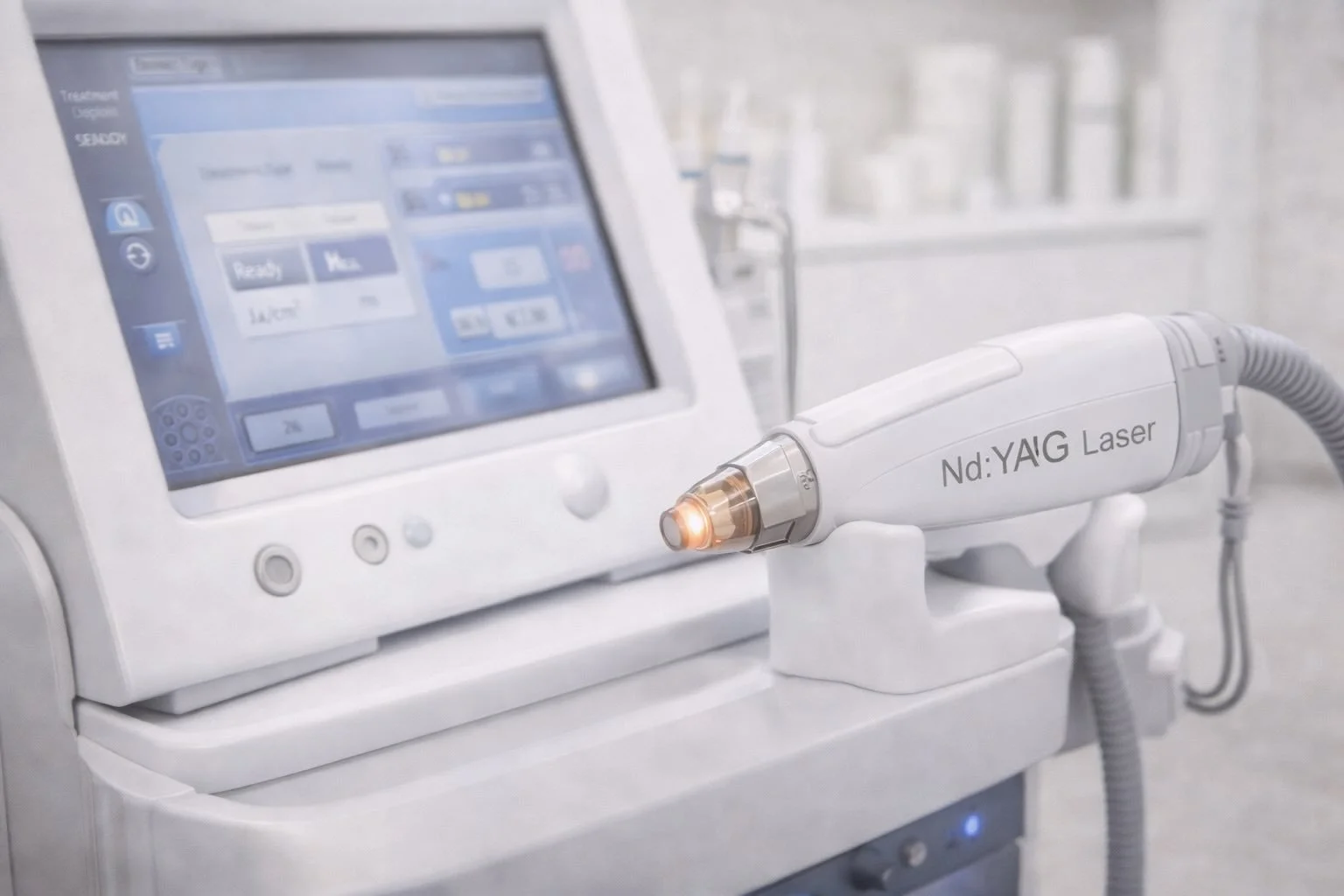
✔ Nd:YAG Laser (Gold Standard)
Safest for darker skin tones
Penetrates deeper
Minimises risk of surface pigmentation
✔ Advanced Diode Lasers
Effective for thicker hair
Safe when settings are customised
At Opal Radiant Studio, laser parameters are adjusted based on:
skin tone
hair thickness
treatment area
medical history
Is Laser Hair Removal Safe for Indian Skin?
Yes — when:
proper laser is used
energy settings are customised
patch test is performed
trained professionals conduct the session
Temporary side effects may include:
mild redness
slight warmth
minor swelling around hair follicles
These typically settle within 24–48 hours.
Can Laser Cause Pigmentation in Indian Skin?
Laser itself does not cause pigmentation.
Pigmentation happens when:
incorrect laser type is used
inexperienced operator performs treatment
post-care instructions are ignored
Sun exposure after treatment without sunscreen can also worsen pigmentation.
Does Laser Work Better on Dark Hair?
Yes.
Laser targets melanin in the hair follicle.
It works best on:
dark, coarse hair
It is less effective on:
very light hair
grey hair
Indian hair texture often responds very well to laser.
How Many Sessions Are Needed for Indian Skin?
Hair grows in cycles. Laser works only on active growth hair.
Typical plan:
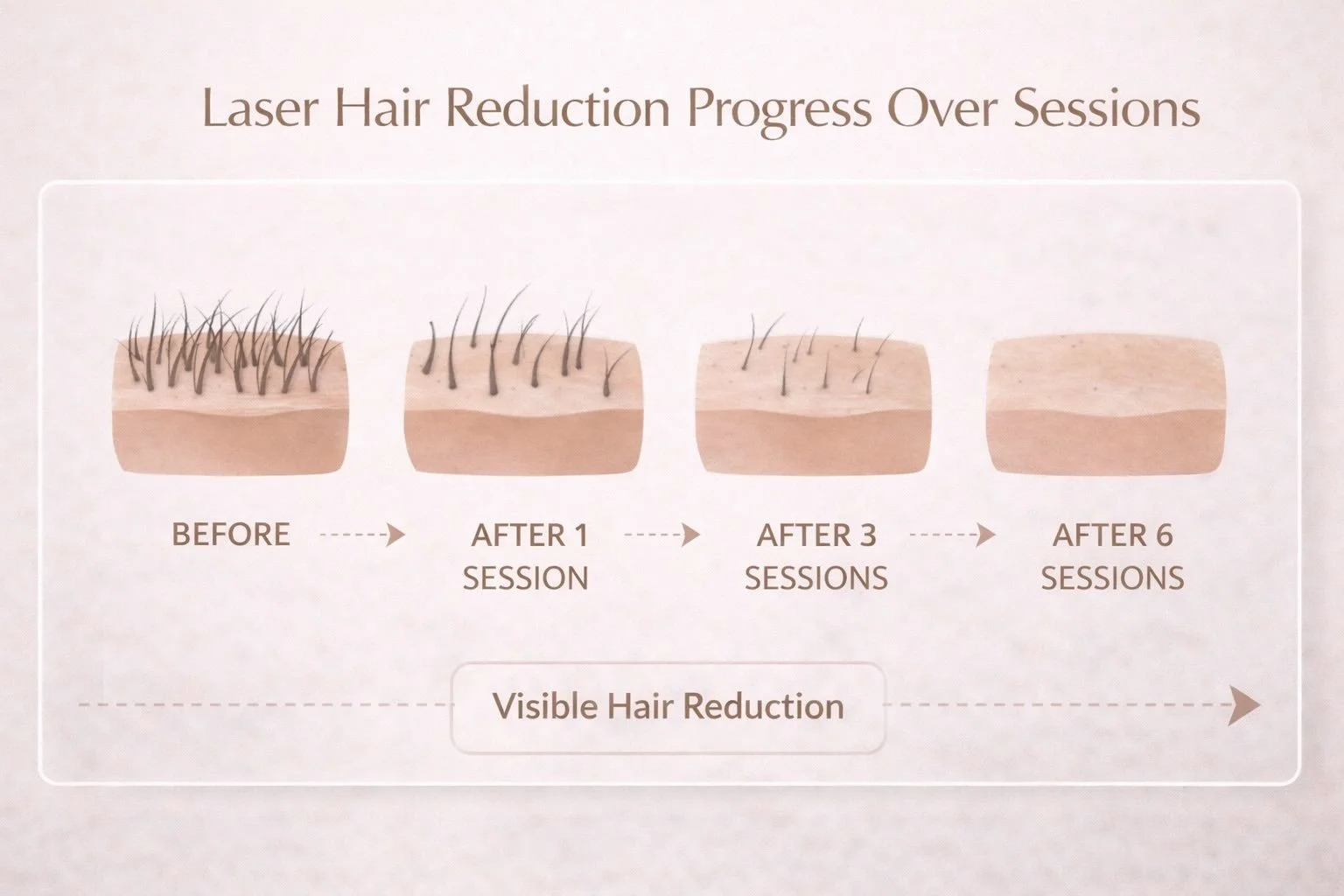
6–8 sessions
4–6 weeks apart
Maintenance once or twice a year
Hair gradually becomes:
thinner
lighter
slower growing
Areas Where Laser Works Best on Indian Women
Underarms
Bikini & Brazilian
Full legs
Full arms
Face (chin, jawline, upper lip)
Laser also helps with:
Ingrown hair
Razor bumps
Strawberry legs
Who Should Avoid Laser?
Laser should be postponed if:
you are pregnant
you have active infections
you have severe skin sensitivity
you are on certain medications
A consultation helps determine suitability.
Laser Hair Removal vs Waxing for Indian Skin
| Laser | Waxing |
|---|---|
| Long-term reduction | Temporary removal |
| Reduces ingrowns | Can worsen ingrowns |
| Improves skin texture | Can cause pigmentation |
| Fewer sessions long term | Lifelong maintenance |
FAQs About Laser for Indian Skin
Is laser painful on Indian skin?
Modern devices use cooling systems. Most women describe it as mild warmth.
Can a laser remove facial hair permanently?
It significantly reduces growth but may need maintenance for hormonal cases.
Does laser lighten the skin?
No. It removes hair — it does not bleach skin.
Can laser treat PCOS hair growth?
Yes. It helps reduce excessive growth when used in combination with medical management.

Book a Laser Consultation
Laser hair removal is extremely effective for Indian skin — when done correctly.
A proper consultation ensures:
right laser selection
customised settings
safe and predictable results
👉 Book a consultation at Opal Radiant Studio to understand if laser is right for your skin type and hair concerns.